
Take part in a mind-blowing journey to Kathmandu to uncover Nepal’s rich history on this Kathmandu Heritage Tour. The capital city of Nepal, Kathmandu, is a marvelous gem rich in history with never-ending ancient temples, old cities, tranquil monasteries, and even more cultural treasures.
Travelling on this tour, you are sure to visit the three ancient cities of Bhaktapur, Kathmandu (Kantipur), and Patan (Lalitpur) and acquire the real-life experience of walking in a time machine where you can amble on the same roads where countless stories were narrated and history was built.
Start your trip exploring the great and ancient Bouddhanath Stupa, a grand structure which overlooks the city and keeps watch on its inhabitants with gentle, loving, and kind eyes. Move on to the aged temple Changu Narayan, which is famous for its ancient history as well as the great detail in its carvings, and finish your journey walking through the medieval city of Bhaktapur, which is known for its Durbar Square.
Experience Pashupatinath Temple, where everyone is welcome and for ages people have come to visit and worship. The serene environment, rituals, and prayers combine for a wonderful experience that will spark wonder in your heart.
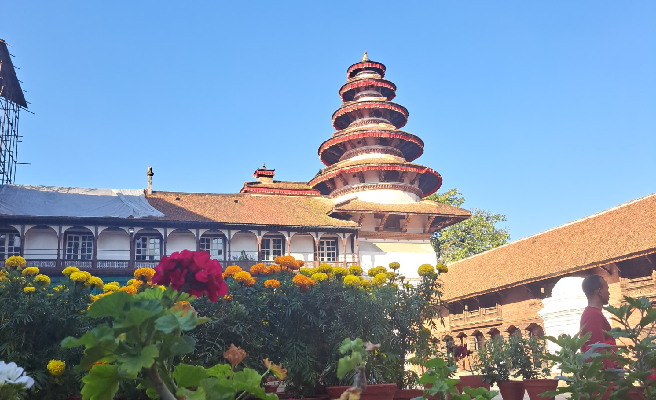
One of the most amazing experiences in this tour is to visit the famous and grand Kathmandu and Patan Durbar Squares, built by the Malla kings, which are now home to ancient palaces and temples that narrate the history of a grand royal civilization.
Climb to the ‘Monkey Temple’ Swayambhunath for magnificent views of Kathmandu. You can reflect on the amazing moments you had in Nepal from there.
An exceptional journey entwined with the history, spirituality, and culture of the Nepalese people awaits you. You are not merely a tourist, as you explore and fall in love with the Durbar Squares, the charm of Boudhanath, Changu Narayan, Pashupatinath, and Swayambhunath. You are part of the tale of Nepal.
Email / Whatsapp us. Chat Instantly. Reserve the limited seats of your unforgettable experience.
Swayambhunath is a sacred and one of the oldest Nepal Pilgrimage sites, sitting atop a hill overlooking the Kathmandu Valley. The temple is often called the “Monkey Temple” due to the large number of monkeys that inhabit the area around the temple. These playful primates have made the site their home, adding a unique and often humorous element to the spiritual atmosphere. The stupa, an ancient architectural marvel, features a massive dome structure adorned with intricate carvings and paintings. A gilded spire rises towards the sky symbolizing enlightenment, and all-seeing Buddha eyes painted on all four sides, watching over the world is the most striking feature of the stupa. The harmonious blend of Buddhist and Hindu elements attracts the devotees of both faiths. It is also famous among tourists seeking spiritual enlightenment, cultural immersion, or a breathtaking view.
Kathmandu Durbar Square, also known as Basantapur or Hanuman Dhoka, is a captivating historical place in Kathmandu’s heart. The ancient square captures Nepal’s rich cultural heritage, adorned with intricately carved temples, palaces, and courtyards. The Hanuman Dhoka complex, a historic landmark, was initially built in the Licchavi period (4th to 8th centuries AD) with a significant expansion and construction done by Pratap Malla in the 17th century. Basantapur is often referred to as the “Museum of Temples” due to the high concentration of temples within its vicinity. There are over 50 temples, each with a unique architectural style and historical significance. Every temple tells a story of the past, reflecting the religious beliefs, artistic traditions, and royal patronage. The intricate wood carvings, stonework, and metalwork on these temples and palaces are awe-inspiring. Some of the most notable temples include Taleju Temple, Kumari Temple, Jagannath Temple, Narsingha Statue, Swet Bhairav, and Kal Bhairav. The vibrant festivals and cultural celebrations here further add to the allure of this historic site. The Hanuman Dhoka Palace Complex, with its towering entrance gate, also houses several museums showcasing royal artifacts and historical documents.
Patan Durbar Square, a UNESCO World Heritage Site, is a captivating blend of history and architecture. This cultural gem, built by the Malla Kings over the 12th to 18th century, offers a fascinating glimpse into Nepal’s rich past. Wandering through Patan Durbar Square’s ancient palaces, temples, and courtyards, visitors are amazed by the intricate wood carvings, stone sculptures, and metalwork that adorn every nook corner of this historic monument. One of the most iconic structures within the square is the Krishna Mandir, a three-storied temple dedicated to Lord Krishna. Built in the 17th century by King Siddhi Narsingh Malla, this temple is renowned for its exquisite wood carvings depicting scenes from Hindu mythology. Another must-visit attraction within the square is the Patan Museum, housed in the former royal palace of the Malla Dynasty. This museum showcases a vast collection of artifacts, including sculptures, paintings, and religious objects, providing valuable insights into the history and culture of the Malla dynasty. The carvings’ intricate details and vibrant colors make it a true masterpiece of Newari art. Beyond the architectural marvels, local markets sell various artworks and paintings, delicious Newari cuisine, and a witness to rich tradition and culture. With its long history, stunning architecture, and vibrant culture, Patan Durbar Square is a must-visit destination for any tourist in Kathmandu.
Bhaktapur Durbar Square is another UNESCO World Heritage Site, a mesmerizing tapestry of history and architecture. This cultural treasure, just under 12 km from the Tribhuvan International Airport, offers a fascinating glimpse into Nepal’s rich past. The ancient palaces, temples, and courtyards house exquisite wood carvings, intricate stonework, and vibrant cultural heritage. One of the most iconic structures within the square is the Nyatapola Temple, a five-story pagoda-style temple dedicated to the Hindu goddess Siddhi Laxmi. Another architectural marvel is the 55-Window Palace, a former royal residence that showcases the grandeur and sophistication of the Malla kings. To delve deeper into Bhaktapur’s cultural heritage, visit the Bhaktapur Museum within the Bhaktapur Durbar Square premises. This museum houses a fascinating collection of artifacts, including sculptures, paintings, and traditional attire, providing valuable insights into the region’s history and traditions. Beyond admiring the architectural marvels, you can also explore local markets, and savor delicious Newari cuisine including the world-famous Juju Dhau (a special yogurt that is considered a delicacy in Nepal fermented in clay pots using a unique tradition with a creamy texture and sweet taste), and witness Newari culture. With its rich history, stunning architecture, and vibrant culture, Bhaktapur Durbar Square is a must-visit destination for any traveler to Nepal.
Chagunrayan, a UNESCO World Heritage site is home to Changunarayan Temple, one of the oldest Hindu temples of Nepal dedicated to Lord Vishnu and a living testament of rich history and cultural heritage. Located on the hilltop about 12 km east of Kathmandu, in Bhaktapur district, the temple symbolizes Nepal’s ancient architecture and craftsmanship. It showcases exquisite traditional Nepali pagoda architecture with significant historical inscriptions and artifacts dated to the Lichhavi period (around the 5th century AD) narrating the stories of Hindu mythology and ancient rulers and offering insights into Nepal’s past. The intricate wooden carvings, metalworks, and stone sculptures including depictions of Garuda also contribute to the architectural splendor of Changunarayan. The surrounding municipality, formed by merging several villages inhabited by diverse ethnic groups, also adds to its rich cultural tapestry.
Pashupatinath, residing on the banks of the sacred Bagmati river in Kathmandu, offers a glimpse into the heart of Nepali culture and spirituality as a UNESCO World Heritage site. Dedicated to Lord Shiva, it is one of the most revered Hindu temples in the world attracting pilgrims and devotees alike. The temple’s history is shrouded in legends, dating back to the 5th century. Pashupatinath translates to “Lord of the Animals” (Pashu means Animal, Pati means Lord, and Nath means Master), the protector of all beings. The architectural grandeur of Pashupatinath temple embodies the essence of Nepal’s profound spiritual and cultural value. The main temple is built in a distinctive pagoda style with a two-tiered golden roof, gajur (golden pinnacle), four silver doors, wooden struts, and pillars with detailed carvings of deities, mythical creatures, and geometric patterns. The Pashupatinath complex is not just one temple but a collection of temples, shrines, and ashrams spread across a large area. The complex holds more than 500 smaller shrines of various Hindu deities including, Vasukinath temple, Jyotirlinga, Navadurga temple, Budhanilkantha, and many others.
Along with the temples, the holy river Bagmati flows alongside ghats(cremation pyres) used for cremation ceremonies. The cycle of life and death co-exists beautifully and can be seen in the temple as a powerful reminder about the impermanence of life. The daily evening Aarati is a special highlight of visiting Pashupatinath. It is a mesmerizing ceremony with chanting, music, and waving lamps. The sights, sounds, and smells create a unique atmosphere that is both culturally and spiritually enriching. While the main temple is open only to Hindus, the temple can be viewed from the Bagmati River and the outer complex is open to explore, offering an excellent view of the temple and surrounding areas.
Boudhanath Stupa, located on the outskirts of Kathmandu, is one of the largest Buddhist monuments in Nepal and a UNESCO World Heritage site. It is a major center of Tibetan Buddhist culture and spirituality. A significant pilgrimage site with peace and serenity, the place is like a paradise for meditation. Around the stupa, a vibrant and spiritual atmosphere is created by the constant chanting of mantras, the turning of prayer wheels, and the fluttering of prayer flags. The stupa is designed as a mandala with a white dome atop which a gilded spire resides. It is painted with the iconic all-seeing eyes of Buddha, watching over the world. Aside from a beautiful, graceful, and perfectly proportionate architecture, the stupa’s design is rich in symbolism, representing the path to enlightenment. The mandala symbolizes Earth, the dome represents Water, the spire represents Fire, the upper portion represents Air, and the pinnacle represents the void or ether beyond space. The 13 rings on the spire symbolize the 13 stages to enlightenment. The colorful prayer flags flutter from the top of the stupa, carrying prayers and mantras into the world. The morning and evening koras provide the best environment around the stupa where pilgrims walk clockwise, spinning prayer wheels and chanting mantras. Boudhanath stupa is a must-visit place and in its calm, one can find quiet solace for the heart and mind. The stupa is surrounded by numerous monasteries, temples, and shops selling Tibetan handicrafts, religious items, and souvenirs.
Reach out to our team. We listen to your vision and personally customize your itinerary to ensure you achieve the precise results you’re hoping for.
Visit the Kathmandu Valley UNESCO World Heritage Sites.
Take some time to appreciate the Boudhanath Stupa – the world’s largest Buddhist stupa.
Visit the ancient Changu Narayan Temple, the most ancient and the oldest Hindu temple within the valley, that holds fascinating stone carvings and rich history.
See the regal Newari pavillions and residences and the Bhaktapur Durbar Square.
Pashupatinath Temple, the most cherished Hindu Temple (Lord Shiva) on the banks of Bagmati River, is also the most worshipped temple in Nepal.
Visit the Newar bewitcnd Palace at Patan Durbar Square and the gilded Buddhist temple – The Golden Temple – a repository of Newari art.
For a wide range of Buddhist culture in the Kathmandu Valley to assimilate, as well as for a great view, go to the Swayambhunath Temple.
Our trained guides offer clear advice plus tailored support during your trip. Thanks to their deep familiarity with Annapurna, you stay safe while enjoying a genuine regional perspective.
Every route fits your strength, past hikes, and what you like best, so the rhythm feels right. That way, you move steadily without rush, truly taking in each part of the journey.
We handle all aspects, including visa procedures and essential paperwork like ACAP or TIMS, alongside arranging local travel options. Supervision at each stage comes from experts; this way, your attention stays on the experience itself.
Maintaining steady availability of nutritious, satisfying food happens via trailside teahouses and lodges. Local ingredients appear regularly, paired with traditional recipes, to shape what’s served daily.
Your trek package includes clear pricing, with no extra costs appearing later. Confidence comes from our full money-back promise, so you feel secure every step of the way.
Benefit from our expert local guidance, flawless logistics, and truly authentic cultural immersion. Begin your adventure assured of safety and quality with Butterfly Treks.
We know your Himalaya trip is a big deal,a personal investment. We earn your trust through proven action, not just words. Expect reliable planning and our absolute focus on your safety and experience.
Your well-being comes first. It is our highest priority. All our guides hold wilderness first aid certification. Our operating protocols meet the highest standards. We are a fully registered, bonded member of TAAN and the Nepal Tourism Board. Accountability is guaranteed.
Connect deeply with this amazing place. Our guides are true locals from the Specified region. They share essential knowledge about the trails and mountain life. You gain insight into the rich Gurung and Magar cultures.
We believe travel should help the destination. We use locally-owned teahouses. Our team always receives fair wages. We follow Leave No Trace principles strictly. This protects the pristine Himalaya environment.
Communication must be clear and reliable. We give you detailed pre-departure info. We are accessible throughout your entire trek. This setup gives you peace of mind from your first inquiry to your return.
Previously, we discussed an overview of a day in and around the Kathmandu Valley UNESCO World Heritage Sites. This day trip blends the experience of cultural immersion and sightseeing in the most important and venerated sites of the Kathmandu Valley. To make the most of this experience, some logistical considerations and tips are necessary. There is no need for specialized fitness preparation, as most of the walking is light and will be done in a guided fashion. To maximize this experience, a very early start is required. In the winter months, make sure to wear additional layers of warm clothing to stay comfortable.
The Kathmandu Valley is the most culturally and historically rich region of the world to explore, as it is filled with temples, palaces, and ancient streets. To make the most of it, ensure that you wear comfortable walking shoes and bring some extra layers to keep warm. Don’t forget sunscreen, sunglasses, and a water bottle to stay hydrated for the entire duration of the experience.
There are also several opportunities to explore the valley during the tour that include local villages, temples, and markets. Some regions of the valley may have limited cell service, which is a small trade-off for the chance to fully immerse yourself in a beautiful and historic region without any digital distractions.
With a license from Butterfly Treks and Expeditions, local guides share the history, culture, architecture, and traditions of each site visited. The tour sights consist of Boudhanath Stupa, Temple of Changu Narayan, Bhaktapur Durbar Square, Pashupatinath Temple, Patan Durbar Square, and the Swayambhunath Temple. Visitors will also appreciate the local cuisine served at small family restaurants, and will be able to take photos during the tour to capture the lifestyle and cultural heritage of the valley, which the guides will explain. This tour is designed for families, couples, solo travelers, and adventurers in search of a safe, flexible, and enriching day’s experience. This day trip offers a wonderful blend of history, culture, and scenic views of the Kathmandu Valley.
If you worry about difficulty or budgeting, just ask us. Contact us today for honest advice and easily reserve your Annapurna Base Camp Trek.